Debt settlement may be an option for individuals who are experiencing financial hardship and having difficulty repaying eligible unsecured debt. Qualification depends on factors such as the type and amount of debt, income, expenses and ability to make required program deposits.
Understanding how to qualify for debt settlement can help you determine whether a settlement program may be appropriate for your financial circumstances. United Settlement reviews each client’s situation individually because eligibility and available options vary.
Who Qualifies For Debt Settlement?
Debt settlement may be an option for individuals with eligible unsecured debt who are experiencing financial hardship or having difficulty maintaining their current payments. Unlike secured debts tied to assets, such as mortgages or auto loans, unsecured debts are not backed by collateral.
Eligibility depends on several factors. A debt settlement company may review your eligible debts, outstanding balances, income, expenses, financial hardship and ability to make program deposits.
Learn more about debt settlement and how the process works.
Types Of Debt That Qualify
Debt settlement programs generally focus on unsecured debts. These are debts without property or assets attached as collateral. Common types of debt that may qualify include:
- Credit card debt
- Personal loans
- Medical bills
- Collections accounts
- Certain business debts
Eligibility varies based on the debt type, creditor participation, account status and other factors. Secured debts, such as mortgages and auto loans, typically work differently because they are connected to specific assets.
Learn more about what debt settlement is, including how the process works and which debts may be eligible.
Income And Financial Hardship Requirements
Financial hardship is one factor that may be considered when determining eligibility for debt settlement. Debt settlement is generally designed for people who are unable to comfortably repay their balances under their current payment schedule. Financial hardship can take many forms, including:
- A reduction in income
- Unexpected medical expenses
- Increased household expenses
- Job changes
- Family or personal circumstances that affect finances
Income and expenses may also be reviewed to determine whether you have the ability to make required deposits toward potential settlements.
How Much Debt Do You Need To Qualify?
There is no single debt amount that guarantees qualification for a settlement program. Eligibility depends on factors including the type and amount of debt, financial hardship, income and ability to make required program deposits.
Program requirements may vary. A financial review can help determine whether your eligible debt and financial circumstances meet applicable requirements.
Debt Settlement Programs: What To Expect
A debt settlement program typically begins with a review of your eligible debts, income, expenses and financial circumstances. If debt settlement is appropriate and you choose to enroll, you may make scheduled deposits into a dedicated account while negotiations with participating creditors take place.
As sufficient funds become available, the debt settlement company may negotiate with eligible creditors to pursue potential settlements. You review and approve proposed settlements before funds are used to pay participating creditors.
Creditor participation, settlement amounts, savings and program timelines are not guaranteed. Learn more about debt relief programs and how they work.
Can You Improve Your Debt Settlement Approval Odds?
There is no debt settlement strategy that can guarantee qualification for a debt settlement program. However, there are steps you can take to prepare for the eligibility review and make sure your financial information is complete and accurate.
Before requesting a financial review:
- Review your outstanding debts and account information.
- Calculate your monthly income and expenses.
- Gather relevant financial information and documents.
- Be prepared to provide accurate information about your financial hardship.
- Review the requirements, costs and potential risks of the program.
These steps do not increase or guarantee eligibility. Qualification depends on your individual financial circumstances and applicable program requirements.
Common Reasons People Don’t Qualify
Eligibility requirements vary by program, and not every applicant will qualify for debt settlement. Factors that may affect eligibility include:
- The type of debt
- The amount of eligible debt
- Financial hardship
- Income and expenses
- Ability to make required program deposits
- State and program requirements
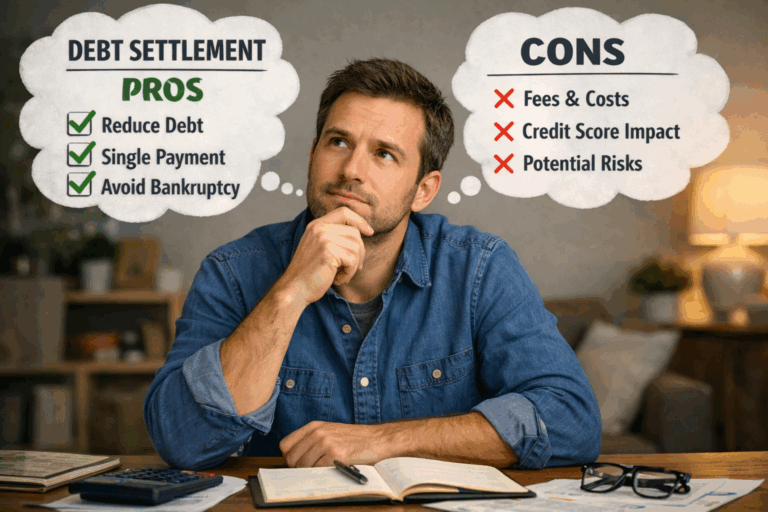
If debt settlement is not appropriate for your circumstances, other debt relief options may be available. Review the pros and cons of debt settlement when comparing potential approaches.
Getting Help With Debt
If you need help with debt, United Settlement can review your eligible debts, income, expenses and financial circumstances to determine which available options may be appropriate.
Qualification and available services vary based on individual circumstances and program requirements. Contact United Settlement to schedule a free consultation and learn whether you may qualify for a debt settlement program.
Debt settlement results vary by individual. There is no guarantee that a specific amount of debt will be reduced or that debt will be resolved within a specific timeframe. Program availability varies by state. Debt settlement services are not tax, accounting, legal or bankruptcy advice.

Steven Brachman is the lead content provider for UnitedSettlement.com. A graduate of the University of Michigan with a B.A. in Economics, Steven spent several years as a registered representative in the securities industry before moving on to equity research and trading. He is also an experienced test-prep professional and admissions consultant to aspiring graduate business school students. In his spare time, Steven enjoys writing, reading, travel, music and fantasy sports.