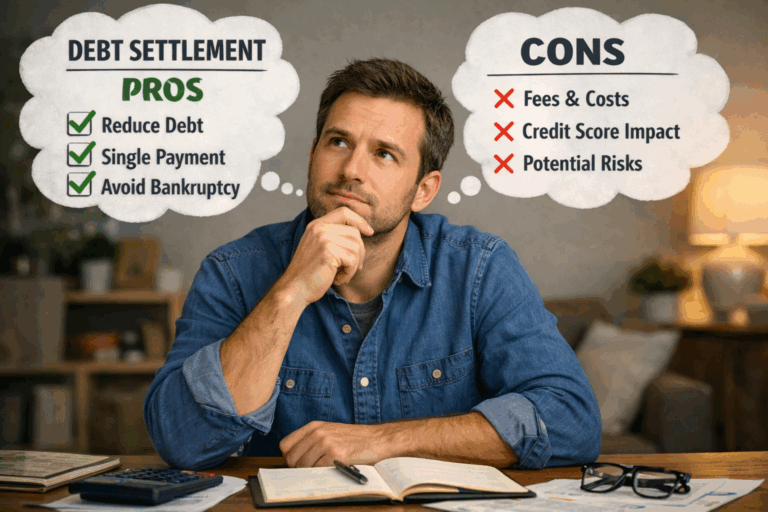
Those who are exploring debt relief face one key question: which types of debt can actually be settled? Debt settlement is designed for specific types of debt, and knowing what typically qualifies can help you decide whether this option fits your financial situation. If you’re overwhelmed by debt and are looking for support with repayment, start by determining whether you have qualifying debt so you can take the first step today.
Understanding Debt Settlement Eligibility
Debt settlement eligibility is based on debt type, financial hardship and creditor policies. With the right kind of debt and difficulty keeping up with repayment, you may be able to leverage a debt settlement company to negotiate with your creditors and reduce what you owe.
Types of Debts that Are Eligible for Settlement
Debts eligible for settlement are typically unsecured, meaning they are not backed by any type of collateral, like your home or vehicle. The lack of collateral makes them more flexible for negotiation.
Credit card debt. This is the most commonly settled type of unsecured debt. High interest rates and revolving balances can make repayment difficult, so many creditors are willing to negotiate to increase their chances of recovering funds.
Personal loans. Unsecured personal loans can qualify for settlement because they have no collateral backing them. When borrowers experience hardship, creditors may consider negotiating a reduced payoff. If not, you may be a good candidate for debt consolidation.
Medical bills. Medical debt often accumulates quickly and unexpectedly. Because these bills are unsecured and issued by hospitals or medical providers rather than traditional lenders, they are commonly included in settlement programs.
Private student loans. While federal student loans are generally not eligible, some private lenders may consider settlement depending on your account status and specific financial situation.
Store cards and lines of credit. Department store cards, retail credit accounts and other unsecured credit lines may qualify because they function similarly to credit card debt.
Collections and charged-off accounts. Accounts already sent to collections or written off by the creditor are sometimes more negotiable because the creditor has already absorbed the loss on paper.
Business debt (unsecured). Some business obligations, particularly unsecured loans or merchant cash advance debt, may qualify for negotiation. United Settlement offers support for various types of debt settlement, including business-related obligations when qualifications are met, and it’s deemed a good fit.
While these are the most common qualified debt settlement categories, you can discuss your specific debts with United Settlement and have a consultation to see if you should apply for debt relief.
Different Types of Debt Settlement Programs
There are a few different types of debt settlement programs available, each intended to reduce how much you owe to make repayment easier. They include:
- Lump-sum settlement: This approach involves negotiating a reduced payoff that’s paid at once. It’s often used when a consumer has access to funds from savings, a windfall or another source.
- Structured payment settlements: Instead of a single payment, creditors sometimes agree to a reduced balance paid in installments over a set period. This approach may be considered when immediate lump-sum funds aren’t available.
- Business debt settlement: Businesses facing unsecured or high-cost obligations, such as merchant cash advances, can sometimes negotiate reduced balances depending on the creditor and the company’s financial hardship.
Each program type has different expectations and timelines. By using a reliable debt settlement company, you can utilize a professional to negotiate with creditors and provide you with guidance as you work to lower your total amounts due.
Debts That Typically Do Not Qualify
Some debts cannot be settled because they’re secured or legally protected. Secured debts use collateral, which limits negotiation options. Here are some debts that usually don’t qualify for settlement:
- Mortgages: Because a home secures the loan, mortgage lenders usually use foreclosure or modification processes instead of settlements.
- Auto loans: Vehicles serve as collateral, so lenders are more likely to recover the asset, such as through repossession, after a series of delinquent or missed payments.
- Federal student loans: Federal loans are governed by specific rules and programs, making standard settlement unlikely. However, there may be hardship options available through your loan servicer.
- Child support, alimony and taxes: These obligations are legally enforceable and cannot be negotiated through a debt settlement program.
What Determines Whether a Debt Can Be Settled?
Put simply, debts are typically eligible for settlement when they don’t involve collateral or legal restrictions. For many, this offers a more manageable alternative to filing for bankruptcy.
Even when your debt type appears eligible, other factors can influence the likelihood of settlement. For example, creditors often consider the severity of financial hardship, your payment history and whether the account is delinquent or charged off. Keep in mind that when settlement is possible, no outcome is guaranteed.
How to Find Out If Your Debt Qualifies for a Settlement Program
If you’re unsure whether your debts qualify for settlement, start by confirming if they’re secured or unsecured. Review your payment history, including your ability to pay on time, make more than the minimum payment and make progress in reducing your overall balance. You may also want to consider your financial hardship and ability to commit to a structured program. If it makes sense for you, you may decide to apply for debt relief.
Ready to Start Your Path to Financial Freedom?
If you’re exploring whether settlement might help you regain financial control, the first step is understanding your debts so you can move toward a more informed financial future. When you’re ready, you can review your options and determine whether a settlement program is a good fit. Contact us today to get started.

Steven Brachman is the lead content provider for UnitedSettlement.com. A graduate of the University of Michigan with a B.A. in Economics, Steven spent several years as a registered representative in the securities industry before moving on to equity research and trading. He is also an experienced test-prep professional and admissions consultant to aspiring graduate business school students. In his spare time, Steven enjoys writing, reading, travel, music and fantasy sports.