Credit card balances can grow quickly, especially when high interest causes your total amount due to increase month after month. If minimum payments are no longer making meaningful progress, you may begin exploring credit card debt relief options. But what does that involve, and how does the process work from start to finish?
Understanding how these programs operate can help determine whether credit card debt relief is a realistic path forward.
What Credit Card Debt Relief Means
Credit card debt relief refers to strategies designed to reduce, restructure, or resolve outstanding balances when repayment has become difficult. Instead of paying high interest for years, individuals may pursue structured programs aimed at lowering the total amount owed or creating more manageable repayment terms.
Depending on the approach, relief may involve negotiated settlements, structured repayment plans or partial credit card debt forgiveness. The purpose is not to eliminate responsibility for repayment but to establish a structured plan toward resolution.
How Credit Card Debt Relief Programs Work
Most credit card debt relief programs begin with a detailed financial review. A specialist evaluates credit card balances, interest rates, income and expenses to determine eligibility and appropriate program structure.
In a settlement-focused program, the company negotiates directly with creditors. Rather than continuing to make minimum payments to multiple credit card issuers, funds are deposited into a dedicated account. Once sufficient funds accumulate, negotiators attempt to reach agreements for less than the full balance.
Each account is handled individually. Creditors are not required to accept settlement offers, and outcomes vary based on financial hardship, account history and available funds..
Types of Credit Card Debt Relief Options
There is no single solution for addressing credit card debt. Common approaches include:
- Credit card debt settlement: Negotiating with creditors to accept a reduced payoff amount.
- Debt management plans: Structured repayment plans coordinated through credit counseling agencies.
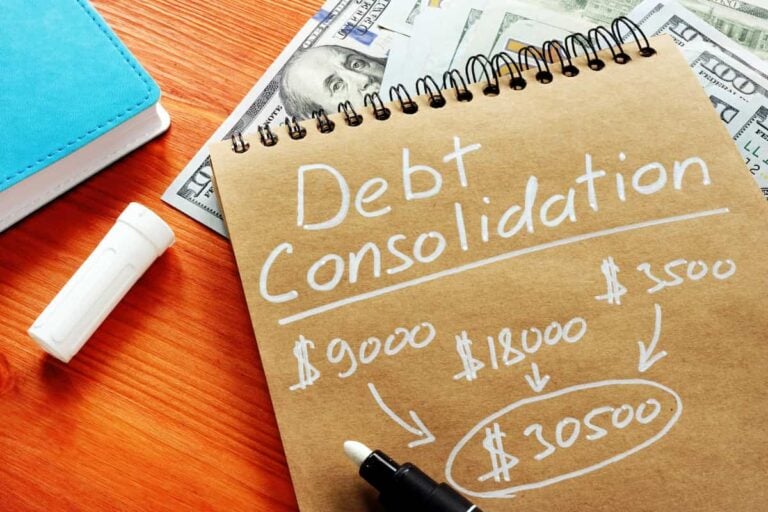
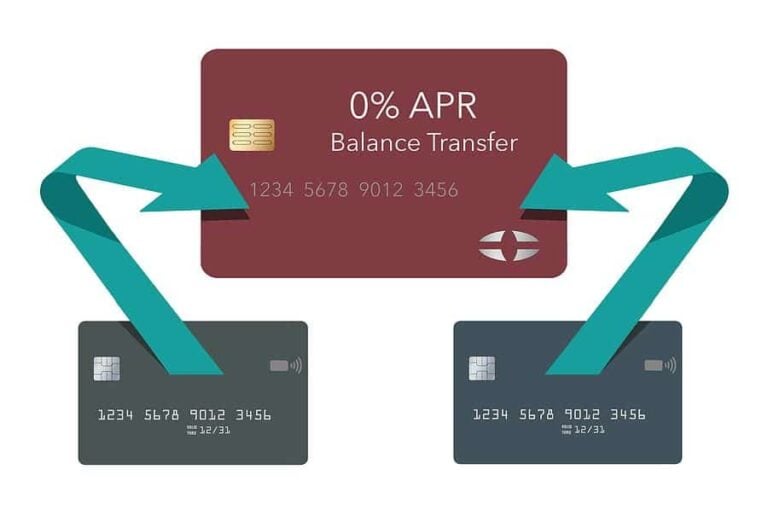
- Debt consolidation: Combining multiple balances into one loan, ideally with a lower interest rate.
- Bankruptcy: A legal process that may discharge certain debts but carries long-term consequences.
Understanding the differences between these options helps determine which structure aligns with financial goals and risk tolerance.
What Happens During a Credit Card Debt Relief Program?
After enrollment in a credit card debt relief program, communication with creditors is typically handled by the provider. During this period:
- Accounts may become delinquent before negotiations begin
- Creditors may continue collection efforts
- Negotiations occur once settlement funds are available
When a creditor accepts an agreement, payment is issued according to negotiated terms and the account is considered resolved. This process continues until all enrolled debts are addressed. Reputable providers maintain transparency through regular status updates and account tracking.
How Long Does Credit Card Debt Relief Take?
Timelines vary based on total balances, monthly contributions and creditor response times. Many settlement-based programs are structured to last between two and four years.
Larger balances, smaller monthly payments, multiple creditors and delayed responses can extend timelines. Smaller balances, larger monthly payments, fewer creditors and faster responses can shorten them. Because negotiations occur separately, some accounts may resolve earlier than others.
Working with a professional debt relief company structures negotiation pacing and funding timelines.
Does Credit Card Debt Relief Hurt Your Credit?
Participation in certain programs, particularly settlement, can negatively impact credit scores. Accounts may become delinquent before agreements are finalized, and settled accounts may be reported accordingly.
For individuals already experiencing missed payments or maxed-out utilization, some impact may already be present. Over time, as debts are resolved and balances decline, focus often shifts toward rebuilding credit through consistent financial management.
The decision to pursue relief typically involves weighing temporary credit impact against long-term debt reduction.
How Much Debt Relief Can You Actually Get?
Settlement outcomes are not fixed and depend on factors such as:
- The age of the account
- The creditor’s policies
- Documented financial hardship
- Available funds for negotiation
Some individuals see meaningful reductions, while others may receive more modest settlements. Outcomes vary, and no specific amount of savings can be promised. Anyone considering relief for credit card debt should carefully review program details, potential fees and possible tax implications before enrolling to understand what it could look like.
If you’re weighing your options and wondering whether credit card debt relief programs could reduce your balances or simply restructure payments, the best next step is to review your numbers with a professional.
Want to see what debt relief could look like for your credit card balances? Get a free consultation to explore realistic options.
FAQs
If you’re evaluating relief options, the following questions address common process and outcome considerations.
How does credit card debt relief work?
It typically involves negotiating with creditors to reduce balances or establishing structured repayment plans. In settlement programs, funds accumulate and are used to present lump-sum offers for less than the full balance owed.
Is credit card debt relief the same as debt settlement?
Not exactly. Debt settlement is one form of credit card debt relief, but other methods include debt management plans, consolidation loans or bankruptcy.
Can credit card companies forgive debt?
Creditors may agree to accept less than the full amount owed during negotiations. However, true credit card debt forgiveness is not automatic and depends on individual circumstances.
How much does debt relief affect your credit score?
It can lower your score, particularly if accounts become delinquent before settlements occur. The long-term impact varies based on your starting credit profile and how you manage your finances after completing the program.

Steven Brachman is the lead content provider for UnitedSettlement.com. A graduate of the University of Michigan with a B.A. in Economics, Steven spent several years as a registered representative in the securities industry before moving on to equity research and trading. He is also an experienced test-prep professional and admissions consultant to aspiring graduate business school students. In his spare time, Steven enjoys writing, reading, travel, music and fantasy sports.