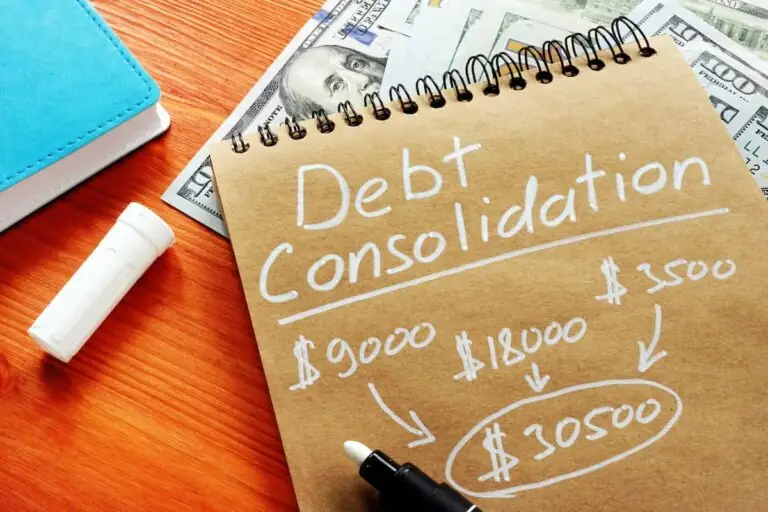
Those overwhelmed by unsecured debt often consider debt settlement as a potential solution. A common concern is how debt settlement affects credit in both the short and long term. Understanding these impacts can help you decide whether debt settlement aligns with your financial circumstances.
Does Debt Settlement Hurt Your Credit?
Debt settlement can negatively affect your credit score, particularly during the early stages of the process. The impact typically comes from missed or reduced payments before a settlement is reached, not from the settlement itself.
Debt settlement typically involves negotiating with creditors to resolve balances for less than the full amount owed. During this process, accounts may become delinquent if regular payments stop. Missed payments are usually reported to credit bureaus and can lower your credit score. In most cases, these delinquencies have a greater effect on credit than the final settlement notation.
Once a debt is resolved, the account is commonly reported as “settled” or “paid for less than the full balance.” While this status is less favorable than “paid in full,” it also shows the balance has been resolved, which may help prevent further credit damage over time.
How Long Does Debt Settlement Impact Your Credit Score?
Debt settlement’s credit score impact is not permanent, but it can last several years. Here’s what to know:
- Negative marks associated with missed payments or settled accounts can remain on your credit report for up to seven years from the date of the first delinquency. However, their influence on your score typically lessens as time passes, especially if you practice healthy credit habits.
- Debt settlement’s impact on credit scores is often strongest in the early months and years following settlement. As accounts age and new positive credit behavior is established, credit models tend to weigh older negative information less heavily.
- Credit scores are dynamic. With the right knowledge and commitment to healthy credit habits, poor credit can be rebuilt.
While settlement-related items may still appear on your report, consistent on-time payments, lower credit utilization and responsible financial habits can help offset their effects sooner than many people expect.
How Long Does it Take to Recover from Debt Settlement?
Credit recovery timelines vary, but many individuals see gradual improvement within one to two years after completing a debt settlement program. Recovery depends on factors such as the number of settled accounts, the severity of prior delinquencies, and post-settlement credit behavior.
Rebuilding credit typically involves maintaining a consistent payment history, keeping balances low, and avoiding new delinquencies. Over time, lenders may view resolved debt more favorably than unpaid balances that continue to accrue interest and fees.
While it’s natural to focus on credit score recovery, many people also find value in the broader financial reset that settlement can provide. Reducing outstanding balances may improve cash flow and make it easier to stay current on future obligations.
When Should I Settle My Debts?
Debt settlement is generally explored when repayment through traditional methods is no longer realistic. Signals that you may need debt relief support include the following:
- High-interest credit cards, medical bills or personal loans that continue to grow despite regular payments
- Difficulty staying current due to financial hardship, such as reduced income or unexpected expenses
- A lack of a realistic plan to repay unsecured debt
- A desire to explore alternatives to bankruptcy
Debt settlement decisions should be evaluated within the context of your overall financial situation. Income stability, total unsecured debt and monthly obligations all factor into whether settlement is appropriate at a given time.
How Do I Get Started with Debt Settlement?
Getting started with debt settlement typically begins with a full review of your debts, income and monthly expenses. This evaluation helps determine which accounts may be eligible for settlement and whether the approach fits your circumstances.
A consultation with a debt relief professional can clarify expectations, timelines and potential credit impacts. This step allows you to understand how negotiations work, how progress is tracked and when fees are assessed before committing.
Transparency during this stage is critical. Clear information, including addressing common misconceptions about debt settlement, helps set realistic expectations throughout the process.
Choosing a Debt Settlement Company
Selecting a debt settlement company is a key decision. A reputable provider should emphasize transparency, education and individualized support rather than guaranteed outcomes.
At United Settlement, we explain potential credit impacts, disclose fees upfront and advocate on behalf of clients throughout the process. Licensing, experience with creditors and a structured, client-focused approach can help reduce uncertainty during a challenging financial period.
By working with a company that prioritizes long-term financial stability, you can approach debt settlement with clearer expectations and greater confidence. If you’re ready to explore your options and apply for debt relief, contact United Settlement to learn more about available debt relief solutions.

Steven Brachman is the lead content provider for UnitedSettlement.com. A graduate of the University of Michigan with a B.A. in Economics, Steven spent several years as a registered representative in the securities industry before moving on to equity research and trading. He is also an experienced test-prep professional and admissions consultant to aspiring graduate business school students. In his spare time, Steven enjoys writing, reading, travel, music and fantasy sports.